
Automotive Marketing in Texas: The Ultimate Guide for Dealers
In the competitive landscape of automotive marketing, Texas dealerships operate in a crowded market. This guide presents data-driven strategies to maximize lead generation and return on investment (ROI). It covers targeted digital tactics for the Texas market—search engine marketing (SEM), search engine optimization (SEO), and connected TV (CTV) advertising—so dealers can increase visibility and attract higher-quality leads. The article examines SEM and SEO roles, CTV and over-the-top (OTT) advantages, and lead-generation best practices.
Texas is a large and diverse market that includes dense urban centers, fast-growing suburbs, and long rural corridors. Each of these customer segments searches and buys differently: some customers begin with detailed model research, others respond first to local inventory and pricing, and many rely on video and social proof to form purchase intent. Dealers who segment audiences and tailor creative, landing pages, and follow-up to local shopping behaviors will find better conversion and higher lifetime value. A practical plan considers inventory merchandising, seasonal demand shifts, and the buyer’s preferred channels—desktop, mobile, and connected TV.
Key Takeaways
- Automotive marketing in Texas requires tailored digital strategies to maximize lead generation and return on investment.
- Search engine marketing (SEM) targets high-intent keywords to drive qualified traffic and increase conversion rates.
- Search engine optimization (SEO) enhances local visibility through optimized content and customer review management.
- Connected TV (CTV) and over-the-top (OTT) advertising offer targeted, engaging, and cost-effective marketing opportunities.
- Integrating OTT campaigns with traditional digital channels ensures consistent messaging and improved audience targeting.
- A data-driven approach enables dealerships to monitor performance, refine strategies, and optimize marketing ROI effectively.
- Best lead generation practices include optimizing lead capture, using targeted email marketing, and managing online reputation.
- Combining SEM, SEO, CTV, and data-driven marketing creates a comprehensive strategy for sustained dealership growth.
Comprehensive Guide for Automotive Dealers in Texas on Maximizing Lead Generation and ROI
Digital channels now drive vehicle research and purchase decisions. This guide details practical strategies dealers can use to optimize marketing, improve lead quality, and increase sales. With a clear focus on ROI, dealers can allocate budgets to tactics that deliver measurable growth in a competitive environment.
Building a practical plan means setting clear short-term and long-term goals. Short-term tactics, like SEM and targeted offers, bring immediate traffic and leads. Long-term investments such as local SEO and content creation build organic presence and reduce cost per lead over time. Establish measurement windows, decide which actions count as a conversion for your store, and align internal sales processes so leads convert efficiently after capture.
The move to digital platforms has changed customer engagement. Dealerships need a coordinated digital strategy to meet buyer expectations and capture measurable results.
Digital Transformation in Automotive Marketing & Customer Engagement
B2B sectors adopted digital engagement slowly, but decision-makers in the automotive industry now expect professional experiences similar to their consumer interactions. New generations rely on company websites and social media to evaluate suppliers rather than only on in-person meetings. The pandemic accelerated the shift from analog to digital customer engagement. This chapter outlines the core elements of that transformation and applies them to the automotive electronics context.
The Key Role of Disruptive Digital Marketing Approaches in the Automotive Electronics Market, U Schneider, 2023
Effective Digital Marketing Strategies

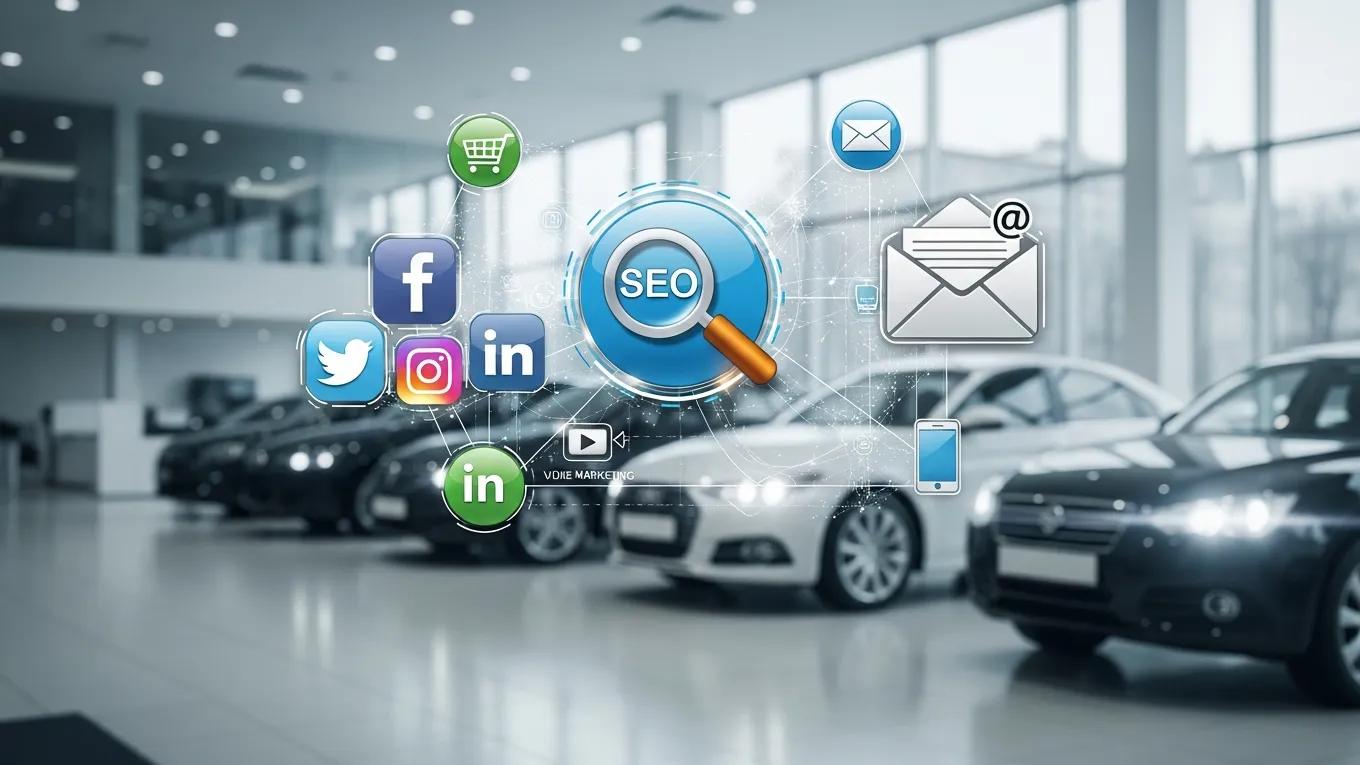
Digital marketing covers targeted channels that directly influence dealership performance. Core tactics include search engine marketing (SEM), search engine optimization (SEO), content marketing, and social media. Each channel contributes to attracting prospects and converting them into measurable leads.
Effective digital marketing for dealers goes beyond running ads. It includes a coordinated website experience, consistent inventory and pricing information, descriptive vehicle detail pages, clear calls to action, and visible contact options. Video content—short walkarounds, inventory highlights, customer testimonials—boosts engagement on social and CTV. Content should be planned with a calendar that aligns model launches, service promotions, and local events. Mobile-first design, fast page load times, and easy appointment booking are baseline requirements that support all paid and organic efforts.
The RAM Group provides tailored marketing solutions to optimize these tactics for dealerships. With a focus on lead generation and measurable outcomes, dealers can convert marketing spend into tracked returns.
Effective digital marketing solutions are essential for dealers seeking measurable lead growth and adaptability as markets evolve.
Digital Marketing & Lead Generation for Automotive Dealers
Digital Marketing Solutions: MotorK provides tools and services to develop and manage internet advertising effectively.
Driving Change: AI-Powered Content Creation for Next-Gen Automotive Marketing, M Talebi, 2024
How Does Search Engine Marketing Drive Qualified Leads for Auto Dealers?
Search engine marketing (SEM) targets high-intent queries to drive qualified traffic. Using platforms such as Google Ads, dealers can build campaigns that send motivated shoppers to dealer websites. Effective SEM practices include:
- Targeting High-Intent Keywords: Focusing on keywords that indicate a strong purchase intent can lead to higher conversion rates.
- Using Google Ads Effectively: Crafting compelling ad copy and utilizing ad extensions can enhance visibility and click-through rates.
- Performance Monitoring: Regularly analyzing campaign performance helps in optimizing ad spend and improving ROI.
Applied correctly, these tactics increase the volume of qualified leads and raise conversion rates.
Practical SEM execution includes structuring campaigns by vehicle make, model, and intent stage so that ad copy and landing pages match searcher expectations. Use dedicated landing pages for specific offers—test-drive incentives, certified pre-owned promotions, and service coupons—to increase relevance and conversion. Implement negative keyword lists to filter out irrelevant traffic and use remarketing lists to re-engage visitors who viewed inventory but did not convert. Maintain a testing cadence for ad copy, creative, and bid strategies, and tie conversions back into your CRM to monitor downstream sales outcomes.
Why Is Search Engine Optimization Essential for Local Automotive Visibility?
Search engine optimization (SEO) improves local visibility in organic search. Optimizing for local keywords and location pages increases the likelihood of appearing when nearby buyers search. Key SEO strategies include:
- Improved Rankings and Organic Traffic: Optimizing on-page elements such as title tags, meta descriptions, and content can lead to better search rankings.
- Local SEO Focus: Utilizing local keywords and creating location-specific content can help attract customers from the surrounding area.
- Customer Engagement Through Reviews: Encouraging satisfied customers to leave positive reviews can enhance a dealership’s online reputation and improve local search rankings.
Strong SEO drives organic traffic and reinforces trust with prospective buyers.
Technical SEO, local citations, and structured data are practical levers for dealerships. Ensure NAP (name, address, phone) consistency across directories and your site, and implement schema markup for products, reviews, and local business data to help search engines understand inventory and service offerings. A content calendar that includes model comparisons, financing explainers, service tips, and community-focused posts supports keyword breadth and builds pages visitors find valuable. Encourage and respond to reviews promptly; responses demonstrate service quality and can increase click-through rates in local search results.
Role of Search Engine Marketing and Optimization
Integrating SEM and SEO delivers both immediate visibility and sustained organic growth. That balance maximizes lead generation and overall marketing efficiency.
Benefits of Connected TV (CTV) and Over-the-Top (OTT) Advertising
Connected TV (CTV) and over-the-top (OTT) ads let dealerships reach targeted viewers through streaming services. These formats enable more personalized video messaging and audience segmentation. The benefits of CTV and OTT advertising include:
- Targeted Reach: Advertisers can target specific demographics based on viewing habits and preferences.
- Higher Engagement: Video content tends to capture attention more effectively than traditional ads, leading to increased viewer engagement.
- Cost Efficiency: CTV and OTT advertising often provide a more cost-effective solution compared to traditional television advertising.
Incorporating CTV and OTT expands reach and deepens engagement with qualified audiences.
When planning CTV creative, combine brand storytelling with direct calls to action that drive viewers to inventory pages or offer landing pages. Keep creatives concise and optimized for sound-off environments with clear visual cues and on-screen text. Use frequency capping to avoid overexposure and coordinate CTV placements with search and social campaigns so viewers see consistent messaging across touchpoints. Reporting should focus on reach, view-through metrics, and downstream site visits or searches triggered after view, then reconcile those signals with on-site conversions.
What Are the Benefits of CTV Advertising for Automotive Lead Generation?
CTV advertising supports automotive lead generation through:
- Targeted Video at Scale: Advertisers can deliver video ads to specific audiences, ensuring that the right message reaches the right people.
- Higher Engagement Rates: Viewers are more likely to engage with video content, leading to increased brand awareness and interest.
- Cost-Effectiveness: Compared to traditional advertising methods, CTV can provide a more efficient use of marketing budgets.
Those advantages make CTV a strategic supplement to other digital channels.
For best results, map each CTV creative to a clear conversion path. Examples include directing viewers to a vehicle detail page with a pre-filled lead form, offering a limited-time test-drive booking, or inviting viewers to virtual events. Use pixel-based or server-to-server tracking to capture post-view interactions and build audiences for retargeting on search and social. Creative sequencing—brand awareness followed by an inventory-specific message—helps move prospects from awareness to consideration to conversion.
How to Integrate OTT Campaigns with Traditional Digital Marketing Channels?
Combining OTT with existing digital channels improves campaign performance. Key strategies for successful integration include:
- Coordinated Campaigns: Aligning messaging across all channels ensures a consistent brand presence.
- Audience Targeting: Utilizing data from both OTT and traditional channels can help refine audience targeting and improve campaign performance.
- Cross-Promotion Strategies: Promoting OTT content through social media and email marketing can drive traffic and increase viewer engagement.
Effective integration creates a cohesive customer journey and maximizes campaign impact.
Operationally, share audience segments across platforms so that every channel reinforces the same user journey. Use OTT to introduce offers at scale, SEM to capture intent with transactional queries, and social to amplify stories and build trust. Measure cross-channel lift by comparing control and exposed audiences, and create dashboards that show how touchpoints work together to deliver test drives, form fills, and phone calls.
Data-Driven Approach to Optimize Marketing ROI

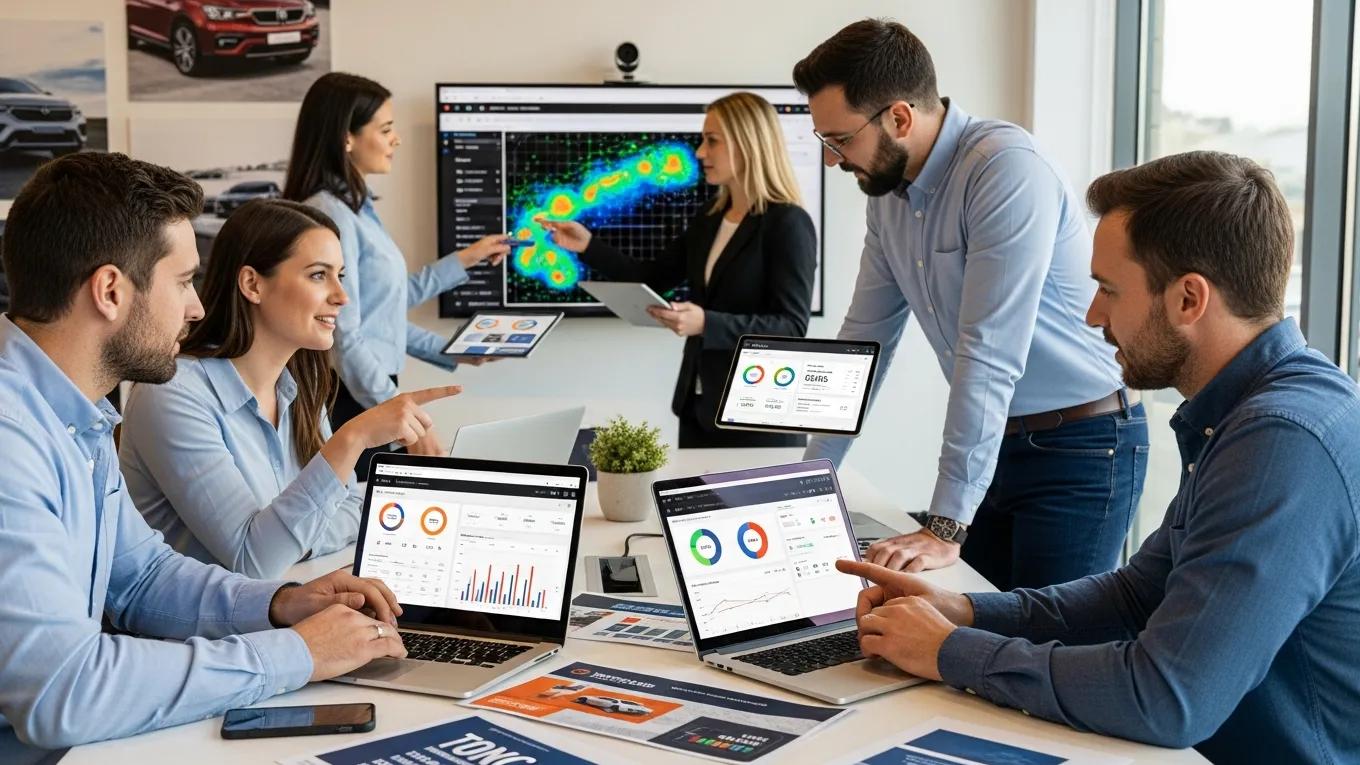
A data-driven approach is essential to improve marketing ROI. Analyzing performance metrics and customer data enables informed decisions that refine tactics and allocate budget to the highest-return activities. Key components of a data-driven approach include:
- Performance Monitoring: Regularly tracking campaign performance helps identify areas for improvement and optimization.
- Continuous Improvement: Utilizing data to refine marketing strategies ensures that dealerships stay competitive in a rapidly changing market.
- Key Performance Indicators: Establishing clear KPIs allows dealerships to measure success and adjust strategies accordingly.
Leveraging data-driven insights lets dealerships fine-tune tactics and maximize return on marketing investment.
Data-Driven Strategies for Automotive Marketing ROI
This research highlights the central role of data-driven decision-making in optimizing marketing ROI within a fast-moving marketing landscape.
Optimizing marketing ROI with predictive analytics: Harnessing big data and AI for data-driven decision making, 2023
Implementing a data-driven framework increases campaign effectiveness and measurable ROI.
Actionable analytics include setting up dashboards that combine ad platform data with CRM outcomes so you can see cost per lead and cost per sale, not just cost per click. Use A/B testing for landing pages, creative, and form fields to incrementally improve conversion rates. Establish attribution windows that reflect your typical sales cycle and track assisted conversions so you understand which channels introduced versus which closed. When possible, integrate phone, chat, and in-person sales outcomes to avoid overcounting or undercounting the true value of each lead source.
Best Practices for Lead Generation
Lead generation is central to dealership growth. Implementing proven practices improves both the quantity and quality of leads. Key practices include:
- Optimizing Lead Capture: Utilizing forms and landing pages that are easy to navigate can improve lead capture rates.
- Email Marketing Strategies: Engaging potential customers through targeted email campaigns can nurture leads and encourage conversions.
- Reputation Management: Actively managing online reviews and customer feedback can enhance a dealership’s reputation and attract more leads.
Focusing on these practices produces a reliable pipeline that supports sales growth.
Practical lead-capture improvements include minimizing required fields on initial forms, offering incentive-based offers (service coupons, trade appraisal), and showing local inventory with clear prices and calls to action. Implement lead scoring to prioritize follow-up for high-value prospects, and ensure prompt follow-up within agreed SLAs—timely contact significantly increases conversion chance. Consider chat widgets, SMS follow-up, and scheduled callbacks as part of multi-channel response workflows to meet customer preferences and reduce lead decay.
Frequently Asked Questions
What are the key differences between SEM and SEO in automotive marketing?
SEM uses paid advertising, such as Google Ads, to gain immediate visibility and drive targeted traffic. SEO optimizes website content and structure to improve organic search rankings over time. SEM delivers faster results; SEO builds long-term credibility and trust. Combining both approaches maximizes lead generation and overall marketing effectiveness.
How can automotive dealers effectively manage their online reputation?
Dealers should monitor reviews on platforms like Google, Yelp, and social media and respond promptly to feedback. Encouraging satisfied customers to leave reviews improves reputation. Publishing testimonials and case examples further builds credibility and supports lead generation.
What role does content marketing play in automotive lead generation?
Content marketing establishes authority and engages prospective buyers. Producing blog posts, videos, and infographics answers common buyer questions, drives traffic, and nurtures leads through the purchase journey. Effective content also supports SEO and increases conversion rates.
How can dealerships leverage social media for marketing?
Social media enables dealerships to showcase inventory, promote events, and share customer stories. Paid social campaigns on platforms like Facebook and Instagram allow precise audience targeting. Use social channels for direct engagement that converts interest into showroom visits or leads.
What metrics should dealerships track to measure marketing success?
Track KPIs such as website traffic, conversion rates, leads generated, and cost per lead. Measure ROI by channel—SEM, SEO, social—and monitor engagement metrics like email open rates and social interactions. Regular analysis lets dealers reallocate spend to the highest-performing tactics.
What are the advantages of using data analytics in automotive marketing?
Data analytics enables informed decisions based on customer behavior and campaign performance. It identifies trends, improves targeting, and increases conversion efficiency. Analytics also measure channel effectiveness, allowing dealers to allocate resources to maximize return.
Conclusion
Automotive marketing in Texas requires a strategic, data-driven approach to maximize lead generation and ROI. Implementing SEM, SEO, CTV, and analytics-driven tactics improves visibility and attracts qualified leads. The RAM Group provides comprehensive digital marketing solutions tailored to dealerships, helping them navigate market complexity and drive sustained growth. Partnering with an experienced agency can improve marketing efficiency and long-term results.
To operationalize these recommendations, create a quarterly roadmap that prioritizes quick wins (SEM optimizations, landing page tests) and foundational work (local SEO, content production). Regularly align marketing outcomes with sales feedback so teams can refine messaging and follow-up processes. Over time, this aligned and measured approach reduces waste, improves close rates, and strengthens local market share.
For additional insights and trends, visit The RAM Group Blog.