Automotive Digital Marketing in California: The Ultimate Guide for Dealers
California’s automotive market is highly competitive; dealerships must deploy data-driven digital marketing to generate qualified leads and improve customer engagement. This guide outlines targeted tactics — search engine marketing, social media strategies, and advanced advertising formats — and explains how to measure performance to optimize ROI and retention.
Successful programs connect discovery, consideration, and purchase across channels. That means aligning paid and organic search, social, and inventory feeds to the buyer journey so search intent, ad creative, and landing pages lead to sensible next steps for the consumer.
The shift to digital channels is measurable; a significant portion of marketing budgets is now allocated to online strategies.
Automotive Dealership Digital Marketing Investment
In a competitive market, the speed and accuracy of processing large data volumes is essential, and this is especially true in automotive. Estimates indicate nearly 80% of marketing budgets are invested in digital. Broad adoption of digital technologies supports achieving a leading market position.
Digital marketing and sales technologies: Dealership marketing management, 2021
Key Takeaways
- Automotive dealerships in California must leverage digital marketing strategies to increase visibility and generate qualified leads.
- Search engine marketing (SEM) and search engine optimization (SEO) are essential for driving targeted traffic and local customer engagement.
- Connected TV (CTV) and over-the-top (OTT) advertising enhance dealership visibility through targeted, engaging streaming platform ads.
- Social media and email marketing foster customer relationships and loyalty through personalized and real-time communication.
- Google Vehicle Ads improve lead conversion by showcasing inventory directly in search results with detailed vehicle information.
- Re-engagement marketing strategies increase customer lifetime value by encouraging repeat business through targeted campaigns.
- Measuring KPIs like lead generation rate, conversion rate, and cost per lead enables data-driven marketing optimization.
- Localized advertising with geo-targeted content and structured data markup improves online visibility and attracts local customers.
- Emerging trends include increased digital ad spend on CTV/OTT platforms, AI-driven engagement, and innovative SMS marketing techniques.
What Are the Key Automotive Marketing Strategies for California Dealers?
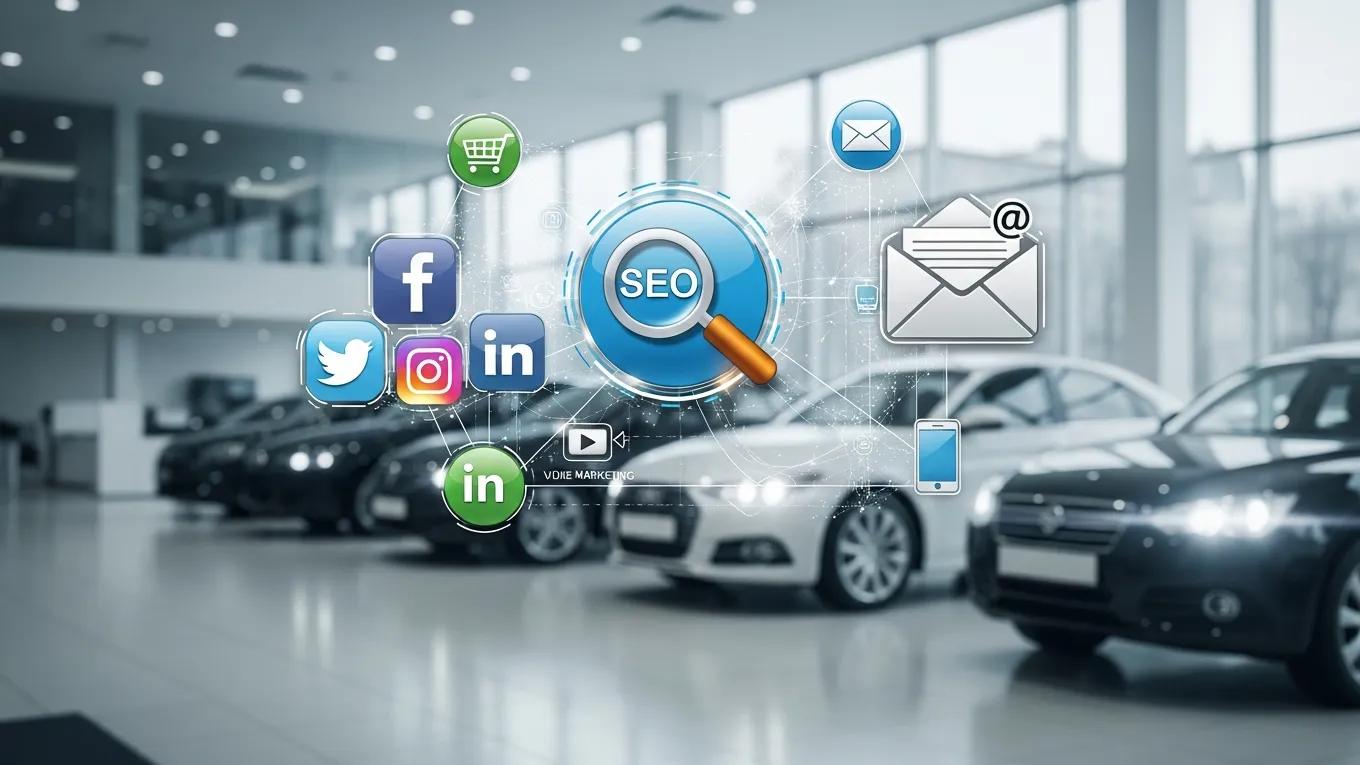
Automotive marketing combines techniques to attract prospects and convert sales. In California’s competitive market, dealerships must prioritize digital channels to increase visibility and drive qualified traffic. Core tactics include search engine marketing (SEM), search engine optimization (SEO), and targeted advertising — methods that increase website visits and lead generation.
The RAM Group is a full-service automotive marketing agency specializing in comprehensive digital solutions for automotive dealerships, auto repair shops, and related businesses primarily in California. Their lead-generation expertise helps dealerships implement these strategies effectively and stand out in crowded markets.
Across these channels, measurement and creative consistency matter. Use a combination of inventory feeds, CRM signals, and consistent creative templates so prospects see the same offers and information from ad to lot visit.
How Does Search Engine Marketing Drive Lead Generation for Auto Dealers?
Search engine marketing (SEM) lets dealers reach customers actively searching for vehicles or services. Paid search placements position dealerships in prominent results for targeted keywords, increasing qualified lead volume and the probability of conversion.
When executed correctly, SEM increases website traffic, improves conversion rates, and strengthens brand visibility. The RAM Group provides tailored SEM campaigns to optimize ad spend and maximize return on investment.
Practical SEM tactics include mapping keywords to buyer intent, using ad extensions to surface inventory details, and sending clicks to optimized landing pages that match the ad message. Monitoring search queries and negative keywords keeps spend efficient while improving relevance.
Why Is Search Engine Optimization Essential for Local Automotive Advertising?
Search engine optimization (SEO) improves a dealership’s organic visibility in search results. Optimizing site content, improving page speed, and ensuring mobile usability help attract local buyers searching for vehicles or services.
Local SEO is especially important because many customers prefer to shop nearby. Implementing local SEO techniques increases the chances of appearing in local searches and drives more foot traffic to showrooms.
Strong local SEO also includes maintaining accurate NAP (name, address, phone) data across directories, soliciting and responding to reviews, and publishing useful content that answers common buyer questions. These steps build trust and improve local ranking signals.
How Can Connected TV and OTT Advertising Enhance Dealership Visibility?
Connected TV (CTV) and over-the-top (OTT) advertising enable dealerships to reach streaming audiences with targeted creative. These formats often produce higher engagement than traditional TV and increase visibility where consumers spend time.
Incorporating CTV and OTT into marketing plans allows dealerships to deliver more personalized, impactful advertising that can drive stronger engagement and improved conversion rates.
What Role Does Connected TV Play in Modern Automotive Advertising?
Connected TV expands reach through targeted ads on streaming platforms. As more consumers use connected devices, CTV becomes an effective channel for showcasing inventory, promoting offers, and building brand awareness with rich visuals.
Targeting by viewing habits and demographics lets dealerships maximize ad spend and improve campaign effectiveness.
Creative for CTV should be visually driven and concise — include clear calls to action and easy next steps such as visiting the inventory page or scheduling a test drive online. Frequency controls and audience sequencing help avoid ad fatigue while moving viewers down the funnel.
How to Integrate OTT Campaigns for Maximum Customer Engagement?
Integrating OTT campaigns requires data-driven planning. Use audience insights to craft targeted campaigns that reflect customer preferences and behaviors, then tailor messaging and creative accordingly.
Focus on concise narratives that highlight unique selling propositions to capture attention and build stronger connections with potential buyers.
What Are Effective Social Media and Email Marketing Tactics for Auto Repair Shops?

Social media and email are core channels for auto repair shops to engage customers and build loyalty. Effective tactics include publishing informative content, promoting time‑bound offers, and encouraging customer feedback to improve service and retention.
Social platforms extend reach and enable real‑time interaction. Email marketing supports personalised messaging based on customer preferences and service history, improving response rates and repeat business.
Implement segmentation and a content calendar to ensure messages are timely and relevant. For example, service reminder emails tied to vehicle maintenance schedules and social posts that explain common repairs help keep the shop top of mind.
How Do Organic and Paid Social Media Strategies Boost Local Automotive Advertising?
Organic social content builds engagement through relevant posts, while paid social amplifies reach to target demographics. Together, they drive traffic to dealership websites and increase brand awareness.
Combining organic and paid strategies creates a consistent presence. Video showcases and customer testimonials typically increase engagement and enhance campaign performance.
Why Is SMS Marketing Outperforming Traditional Email Campaigns in Automotive?
SMS marketing often delivers higher open and response rates than email. Its immediacy makes it effective for time‑sensitive promotions, appointment reminders, and service alerts.
Dealerships that adopt SMS for real‑time communication can boost engagement and improve overall marketing effectiveness as consumer preferences shift toward instant messaging.
Best practices for SMS include explicit opt-in, concise messaging, clear opt-out options, and linking to mobile-friendly booking or inventory pages. Use SMS for confirmations and quick reminders while keeping promotional frequency reasonable.
What Do Google Vehicle Ads and Re-engagement Strategies Increase Dealership ROI?
Google Vehicle Ads and re-engagement strategies both support higher ROI. Google Vehicle Ads surface inventory directly in search results, simplifying discovery and increasing click-through rates and site traffic.
Re-engagement tactics—targeted emails and retargeting ads—help reconnect with previous visitors or prospects, reminding them of their interest and encouraging purchase completion.
What Are the Benefits of Google Vehicle Ads for Lead Conversion?
Google Vehicle Ads deliver enhanced visibility and targeted reach by displaying inventory within search results. That exposure attracts users already looking to buy, increasing conversion likelihood.
These ads also present detailed vehicle data, including pricing and features, which helps customers make informed decisions and can raise conversion rates and satisfaction.
This effectiveness is reinforced by Google Ads’ comprehensive targeting and conversion capabilities.
Google Ads for Digital Marketing & Conversions
Google Ads offers advertisers a robust suite of tools to promote products and services across Google’s extensive network, encompassing search results, websites, YouTube, and apps. Key to its effectiveness is precise audience targeting based on keywords, demographics, and user behavior, maximizing ad relevance and engagement. Advertisers bid on keywords, ensuring that relevant ads appear when users search, thereby driving clicks and conversions.
Using google ads in digital marketing, K Solberg Söilen, 2024
How Can Re-engagement Marketing Improve Customer Lifetime Value?
Re-engagement marketing increases customer lifetime value by maintaining relationships through targeted campaigns that remind customers of prior interactions and encourage repeat purchases. This approach supports loyalty and incremental sales.
Effective re-engagement tactics include personalised email sequences, returning‑customer offers, and targeted ads that surface relevant inventory. Prioritising retention improves long‑term profitability.
Connect re-engagement to CRM data so messages are timely and relevant. Use a mix of dynamic inventory ads and incentive-based offers for customers who have previously expressed interest but did not complete a purchase.
How to Measure and Optimize Automotive Marketing Performance in California?
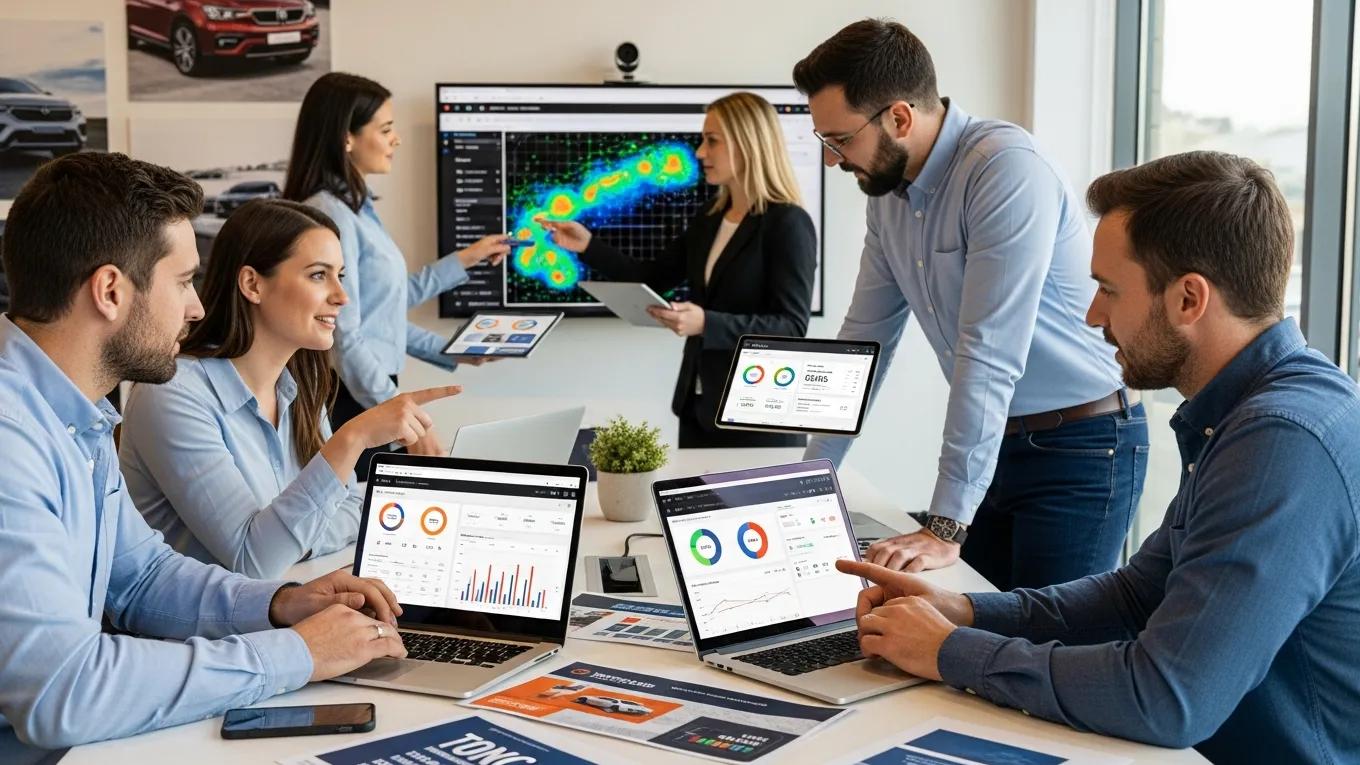
Measuring and optimizing marketing performance is essential. Key performance indicators provide objective insights into campaign effectiveness, enabling data-driven adjustments aligned with business objectives.
Regular KPI analysis highlights opportunities for improvement and ensures marketing efforts remain aligned with customer behaviour and dealer goals.
Establish a reporting cadence and choose an attribution model that reflects the buyer journey you observe. Combining first-click, last-click, and multi-touch views helps teams understand which channels initiate interest and which close sales.
Which KPIs Best Reflect Lead Volume and Conversion Rates?
Several key performance indicators (KPIs) are essential for reflecting lead volume and conversion rates in automotive marketing. These include:
- Lead Generation Rate: Measures the number of leads generated from marketing efforts.
- Conversion Rate: Indicates the percentage of leads that result in sales.
- Cost Per Lead: Evaluates the cost-effectiveness of marketing campaigns.
Tracking these KPIs gives clear insight into marketing performance and informs strategic adjustments to improve results.
What Tools and Techniques Support Ongoing Campaign Optimization?
Various tools and techniques support ongoing campaign optimization in automotive marketing. These include:
- Analytics Platforms: Tools like Google Analytics provide valuable insights into website traffic and user behavior.
- A/B Testing: This technique allows dealerships to test different marketing messages and strategies to determine which performs best.
- Customer Feedback: Gathering feedback from customers can help dealerships understand their preferences and improve marketing efforts.
Leveraging these tools enables continuous refinement of campaigns and measurable performance improvements.
What Are the Best Practices for Localized Automotive Advertising in California?
Localized advertising is critical for connecting with target customers in California. Best practices include tailoring messaging to local preferences, using geo-targeted ads, and optimising online listings for local search.
Focused local strategies increase visibility in regional search results and attract customers from the surrounding area, driving showroom visits and local conversions.
Local partnerships, community sponsorships, and event participation can amplify local reach and generate content that reinforces regional relevance. When combined with geo-targeted creative, these activities support both brand and direct-response objectives.
How Does Geo-Targeted Content Improve Dealership Online Visibility?
Geo-targeted content improves online visibility by delivering the right messages to specific locations. Using location-based keywords and locally relevant content increases the likelihood of appearing in local search results.
This targeted approach helps dealerships connect with customers actively searching for vehicles or services nearby, driving more website traffic and showroom visits.
Why Is Structured Data Markup Critical for Local Business SEO?
Structured data markup helps search engines interpret website content more accurately. Implementing structured data improves visibility in search results and can increase click-through rates.
Structured data communicates inventory details, location, and services to search engines, making it easier for customers to find relevant information quickly and increasing conversions.
How Can Video Production and Digital Radio Complement Dealership Branding?
Video production and digital radio strengthen dealership branding and extend reach. Well-produced video can showcase vehicles, highlight testimonials, and promote offers to create a more immersive buyer experience.
Digital radio reaches commuters and streaming listeners with targeted messages. Combined, these media form a cohesive branding strategy that resonates with local audiences.
Repurpose video assets for social, CTV, and website use to extend value. Short clips, vertical edits, and captioned versions increase distribution opportunities and improve accessibility across platforms.
What Types of Video Content Drive Engagement for Auto Dealers?
Several types of video content can drive engagement for auto dealers, including:
- Vehicle Walkarounds: Showcasing features and benefits of specific models.
- Customer Testimonials: Sharing positive experiences from satisfied customers.
- Promotional Videos: Highlighting special offers or events.
Diverse video formats capture attention and encourage potential customers to engage with the brand.
How Does Digital Radio Advertising Support Local Automotive Campaigns?
Digital radio supports local campaigns by reaching targeted listeners on streaming platforms and delivering tailored messages to specific demographics, increasing engagement opportunities.
Incorporating digital radio into a media mix enhances local brand visibility and helps dealerships connect with potential customers in a more personal way.
What Emerging Trends Should California Dealers Watch in Automotive Marketing for 2026?
The automotive marketing landscape is evolving; dealers should monitor trends that affect reach and ROI. Key trends include the growing emphasis on data-driven marketing, wider adoption of AI for customer engagement, and continued growth in video content.
Adopting these trends lets dealerships refine tactics, improve performance, and maintain competitive advantage in a changing market.
How Is Digital Ad Spend Shifting Toward CTV and OTT Platforms?
Digital ad spend is shifting toward connected TV (CTV) and over-the-top (OTT) platforms as more consumers migrate to streaming. This shift presents a clear opportunity for dealers to reach audiences in a more targeted and engaging environment.
Allocating budget to CTV and OTT helps dealerships increase visibility and meet customers where they consume media.
What Innovations in SMS and Google Vehicle Ads Are Driving Higher ROI?
Advances in SMS marketing and Google Vehicle Ads are improving ROI for dealerships. SMS enables timely, high‑engagement communications, while Vehicle Ads increase inventory visibility in search results.
Applying these innovations in coordinated campaigns helps dealerships boost conversion rates and improve overall marketing performance.
Frequently Asked Questions
What are the key differences between SEM and SEO for automotive dealerships?
Search Engine Marketing (SEM) uses paid search to drive immediate visibility by targeting specific keywords and audience segments. Search Engine Optimization (SEO) focuses on improving organic rankings through site and content optimization over time. SEM can deliver fast results; SEO builds credibility and long‑term, sustainable traffic. Both are required for a balanced digital strategy.
How can automotive dealerships effectively utilize social media for customer engagement?
Dealerships should publish relevant content—vehicle showcases, testimonials, and service tips—run targeted ad campaigns, and respond promptly to customer inquiries. Track engagement metrics to refine content and targeting so social activity supports lead generation and loyalty.
What role does customer feedback play in optimizing automotive marketing strategies?
Customer feedback provides direct insight into preferences and pain points. Collect feedback via surveys, reviews, and social channels, then integrate findings into service and marketing improvements. Acting on feedback builds trust, raises satisfaction, and supports retention.
How can dealerships measure the effectiveness of their digital marketing campaigns?
Measure campaigns with KPIs such as website traffic, lead generation rate, conversion rate, and return on investment (ROI). Use analytics tools like Google Analytics to track user behavior and campaign attribution. Regular reviews enable data-driven adjustments to improve outcomes.
What are the benefits of using video content in automotive marketing?
Video increases engagement and clarifies product value. It enables virtual tours, highlights features, and shares customer stories, which improves understanding and trust. Video is also highly shareable, expanding reach and often boosting conversion rates.
How can dealerships stay updated on emerging trends in automotive marketing?
Stay informed by following industry publications, attending conferences and webinars, and engaging with professional networks. Subscribe to expert newsletters and maintain a culture of continuous learning to adapt strategies as the market evolves.
What are some effective re-engagement strategies for automotive dealerships?
Effective re-engagement includes personalised email sequences, targeted social ads, loyalty incentives, and retargeting campaigns for visitors who did not convert. These approaches remind customers of prior interest and encourage repeat purchases, increasing lifetime value.